
Waterproofing

Rubbergard
EPDM*
- Weather Resistant
- Fire Resistant
- Easy to apply
Waterproofing
As the term suggests, waterproofing is primarily a process to prevent water from penetrating the structure. This is done in multiple layers and various stages, creating a multi-layer barrier so water can’t get into the structure. Usually, the best means for waterproofing a structure is to use coatings and membranes which protect the layers underneath or within it, in addition to its structural integrity. Industry experts often refer to the multi-stage process as the “building envelope”. That’s why the compatibility of their interactions, materials and the building’s enclosures helps to judge the performance of the building.
The performance of any building materials and thus waterproofing materials is hampered by external factors, including rainwater and site drainage, both of which damage the building over time. Builders recognize this fact, which is why steps are taken to prevent seepage directly from the ground and the vertical climb of water within the structure by using high-quality waterproofing systems.
Modern waterproofing materials and applications work in cohesion with sustainable architecture using a dual course of action on the source. Various coats and certain proportions of the waterproofing chemicals allow it to multitask with relative ease. The knock-on effect of this is energy conservation because of the materials used in the process. This will primarily include coats on the external walls and floors of the structure, cutting down the flow of heat into the building, reducing the load, improving indoor air quality consequently, and improving the efficiency of the air conditioning system.
The multi-action aspect of waterproofing systems means that they are also referred to as “structural protection” and are a part of “renewable engineering.” Not only is waterproofing a large part of the building’s construction process, but also in maintaining its integrity. In other words, not only is waterproof material applied to the envelope, but also to parts of the structure.
Choosing Waterproofing for Your Structure
Building waterproofing is meant to prevent water from getting into the building’s structure. Generally, extensive measures are taken during construction to help control moisture from the beginning. Still, it may also be done after the structure is built to address problems that may occur due to the retrofit of the building.
Waterproofing is imperative for a few different reasons, and that’s why they are so many contractors in South Africa that specialize in providing maintenance, new construction services, and restoration services. As a building owner or occupant, waterproofing is imperative since it:
- It helps keep the building dry.
- It reduces internal humidity, ensuring the building is more comfortable to work in while protecting everyone in the building from water vapor and humidity.
- Waterproofing is also imperative to the building’s integrity, which is why the right choice of materials is imperative.
Usually, building waterproofing is handled in several different ways, which helps to create multiple barriers, so water does not go into the structure.
Signs of problems with the building’s waterproofing include:
- Damp patches on the basement walls
- The proliferation of fungi and mold
- Water pooling within the structure
- Signs of rot

Waterproof Materials Versus Water Resistant
Water-resistant and waterproofing is mainly an indicator of how much water is being stopped from entering or exiting a structure. Even though they have the same purpose, the terms are used differently and not synonymously. The significant difference is that water-resistant products can help provide the ability for a structure to withstand the wet weather but can’t withstand being submerged, but waterproofing can withstand being submerged.
The levels at which a product provides water resistance vary quite a bit. Each water-resistant and waterproofing product is supplied with a rating called the IP Rating system. This is mainly a rating that showcases a product’s or item’s ingress protection. This is essential for many consumers to understand when buying waterproof and water-resistant products, especially something electronic like a smartphone.
The ratings will usually range from level 0, which means it can’t even resist a drop, to level 8, which means that the item can be submerged in the bottom of a lake and still work.

Get in touch
Waterproof Lab EPDM Rubber Waterproofing
Company Details
- Waterproof Lab EPDM Rubber Waterproofing
- 22 Plantation Road, Ottery, Cape Town, 7708
- 087 012 5339
- info@waterprooflab.co.za
- Waterproof Lab on Google
Rubbergard
EPDM*
- Light weight
- No maintenance
- Eco Friendly
Liquid Membrane Waterproofing
A liquid membrane consists of a thin coat comprised of a primer coat followed by two topcoats applied via a trowel, spray or roller. This offers much more flexibility compared to cementitious types of materials. The resulting cured liquid is a rubbery coating on the wall.
The elongation properties of the resulting coating can be as high as 280%. However, the durability of the coating will rely on the type of polymer used to manufacture the liquid waterproofing material.
A liquid waterproofing membrane can often be a spray-applied liquid membrane made up of polymer-modified asphalt. Usually, these are polyurethane liquid membranes across various grades, which may be suited to roller, trowel, or spray application.
Waterproofing The Roof
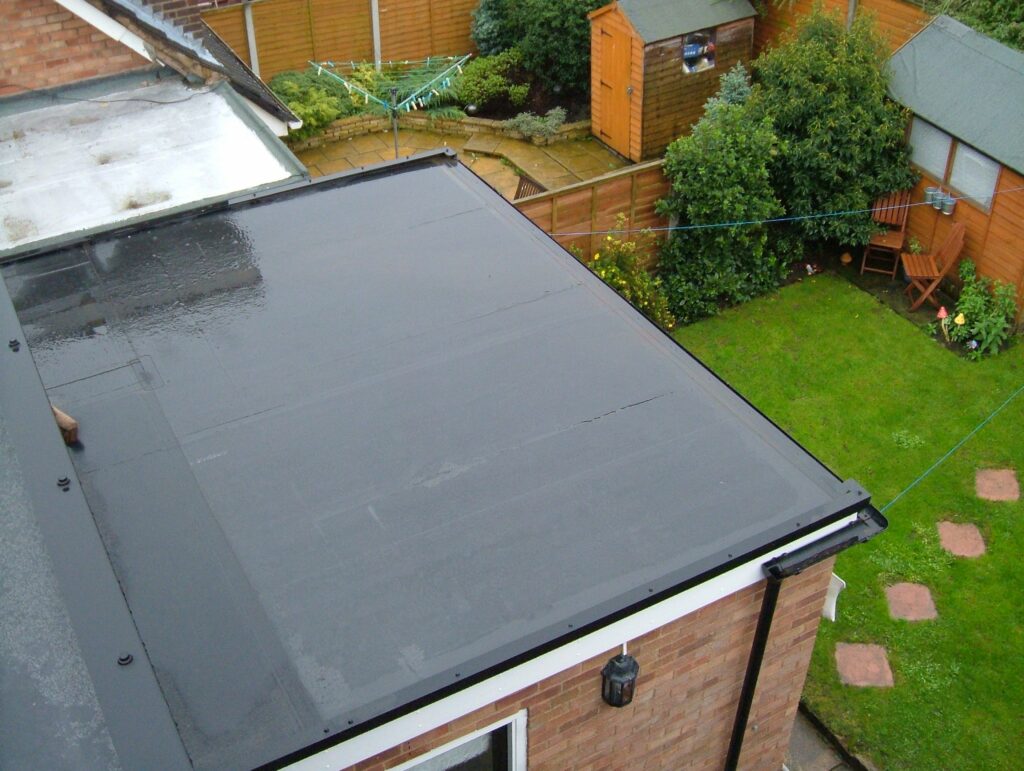
One of the most common areas for waterproofing is the roof. It is usually applied during construction on the main frame of the building. The main structure will cover the roof and construction of the building, helping to protect the building from snow, rain and frost.
Roofing materials are mainly meant to help drain water, but they may also be equipped to defend against frost. That’s why when choosing a waterproofing material, the home’s geographical and general location and its façade matter and are often considered by a professional.
If the home is in a place with constant rainfall, the roof will be designed accordingly. That’s why the best waterproofing material is intended for those weather conditions, and it is a decision best left to a professional.

Final Word
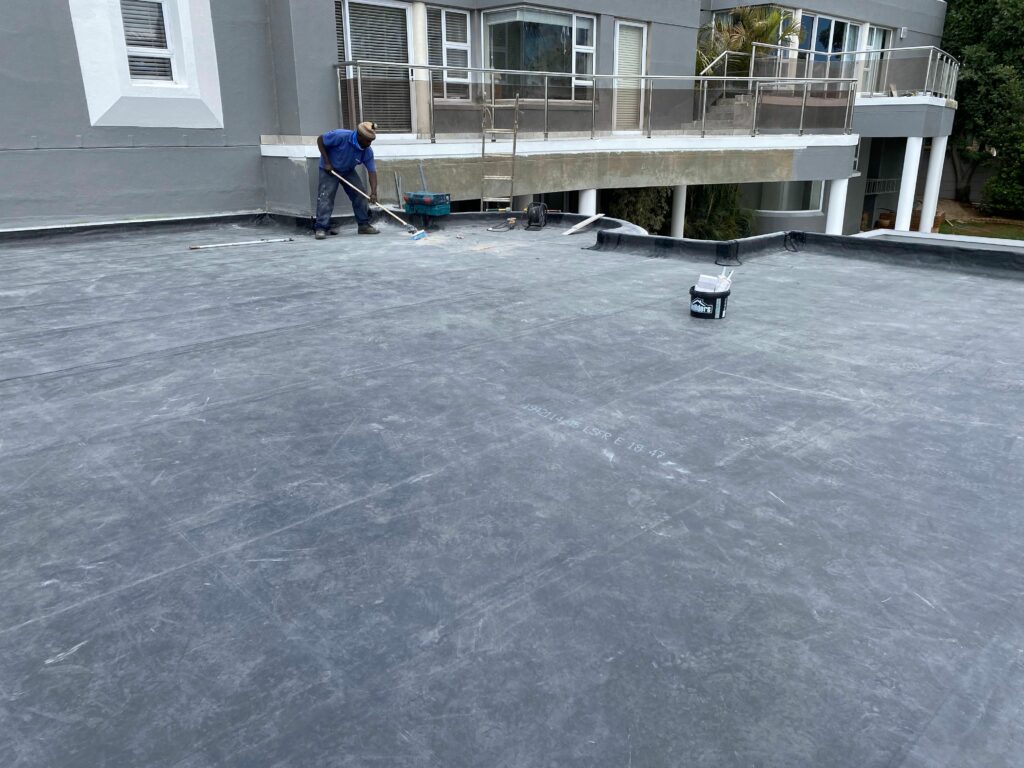
No structure is truly waterproof without the application of the right waterproofing materials and building strategy in place. However, these things are best left to professionals with years of experience to decide on the best waterproofing materials for your home.
